Introduction Line Color Shape Space Texture Typography Scale Emphasis Balance Harmony

10 Basic Elements of Design

Creating beautiful design is about more than inspiration or a great idea, it’s about understanding the fundamentals of the subject.

What?

Although it’s possible to spend years studying the nuances of design and the many varying takes on how to be successful at it, there are a handful, or two, of basic elements that every designer should know before beginning any project. Even amateurs in the field who maintain personal blogs or only make a hobby of it can utilize these following ten tips to create professional looking pieces, and anyone who intends to earn money from the endeavor must know them. Rules were made to be broken, of course, but you have to know what they are first.

Why?

It will help you further the design process.
It will make content more appealing to the viewer.
You will more knowledgable.
You will be able to impress clients with your skills.
It will give your clients confidence in your ability.
It will add inspiration to your everyday live!
Links

6 Tips for Designing with Lines

Adding a few simple lines to a design can bring structure and graphical flair to an otherwise boring design.

Line

What is it?

The first and most basic element of design is that of the line. In drawing, a line is the stroke of the pen or pencil but in graphic design, it’s any two connected points.

How is it used?

Lines are useful for dividing space and drawing the eye to a specific location. For example, think about how a magazine uses lines to separate content, headlines and side panels.

More Information

Links

Color Theory for Designers: The Meaning of Color

A color that can evoke one reaction in one person may evoke the opposite reaction in another, due to culture, prior association, or even just personal preference.

Basic Color Theory

Color theories create a logical structure for color.

Color

What is it?

Color is one of the most obvious elements of design, for both the user and the designer. It can stand alone, as a background, or be applied to other elements, like lines, shapes, textures or typography.

How is it used?

Color creates a mood within the piece and tells a story about the brand. Every color says something different, and combinations can alter that impression further.

More Information

Links

Using Shapes in Design

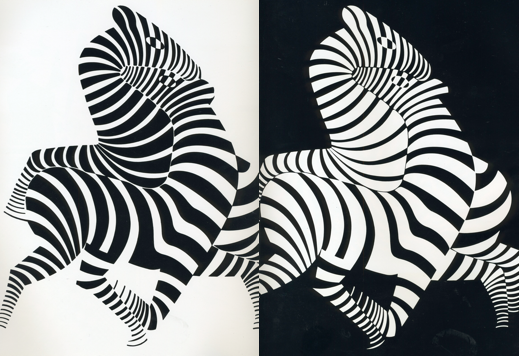
Shapes are at the root of graphic design. They are figures and forms that make up logos, illustrations, and countless other elements in all types of designs.

Shape

What is it?

Shapes, geometric or organic, add interest.

How is it used?

Shapes are defined by boundaries, such as a lines or color, and they are often used to emphasize a portion of the page. Everything is ultimately a shape, so you must always think in terms of how the various elements of your design are creating shapes, and how those shapes are interacting.

More Information

Links

How to Use Space in Design

Space can be used to both separate and connect elements in a design. Wider spaces separate elements from each other and narrower spaces connect elements to reveal relationships between them. Overlapping elements maximizes their relationship.

Space

What is it?

Negative space is one of the most commonly underutilized and misunderstood aspects of designing for the page. The parts of the site that are left blank, whether that’s white or some other color, help to create an overall image.

How is it used?

Use negative space to create shapes as you would any other element. Check out this article if you're interested in learning more about frequently used design terms like negative space.

More Information

Links

Using texture to get the most out of design

The unfamous Daily Design Inspiration series that started it all on Abduzeedo. Where you'll find the most interesting designs/artworks/concepts curated by one of us to utterly inspire your day.

Texture

What is it?

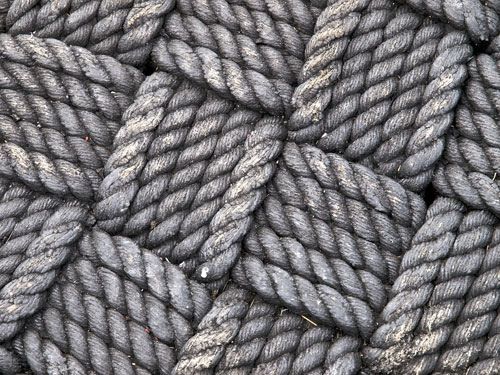
It’s counter-intuitive to think about texture when the piece isn’t ever going to be touched. Websites and graphic design do rely on the look and impression of texture on the screen

How is it used?

Textures can create a more three-dimensional appearance on this two-dimensional surface. It also helps build an immersive world.

More Information

Links

Typography Elements Everyone Needs to Understand

Type design may be intimidating to many, with terms such as leading, baseline, kerning, ascender, tail, and many more …

Typography

What is it?

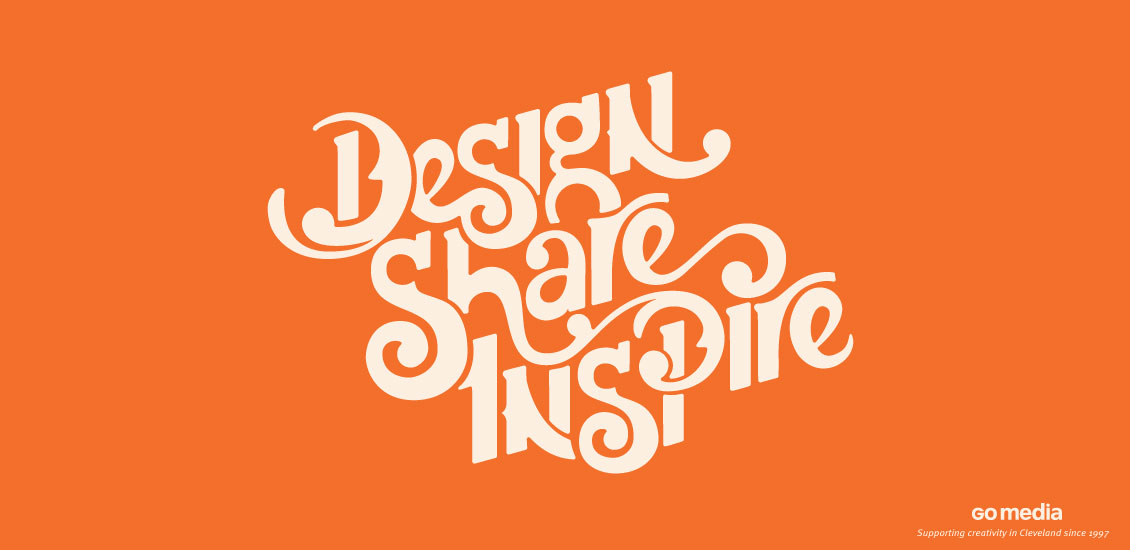
Perhaps the single most important part of graphic and web design is typography.

How is it used?

Like color, texture, and shapes, the fonts you use tell readers you’re a serious online news magazine, a playful food blog or a vintage tea tins shop. Words are important, but the style of the words is equally essential.

More Information

Links

How to use size, scale, and proportion

Loud and soft, dark and light, big and small. Each is a relative measurement of some quality on some scale. Day doesn’t exist without night and up doesn’t exist without down. Each exists in contrast to the other and contrast occurs on a scale.

Scale

What is it?

Playing with the scale and size of your objects, shapes, type and other elements add interest and emphasis.

How is it used?

How boring would a symmetrical website with all similarly sized ingredients be? Very. But the amount of variation will depend heavily on the content within. Subtle differences suit professional content, while bold ones prefer creative enterprises.

More Information

Links

Emphasis: Setting up the focal point of your design

We see emphasis used in most fields of design, including architecture, landscape design, and fashion design. Emphasis surrounds us, even if you might not realize that it’s called “emphasis”.

Emphasis

What is it?

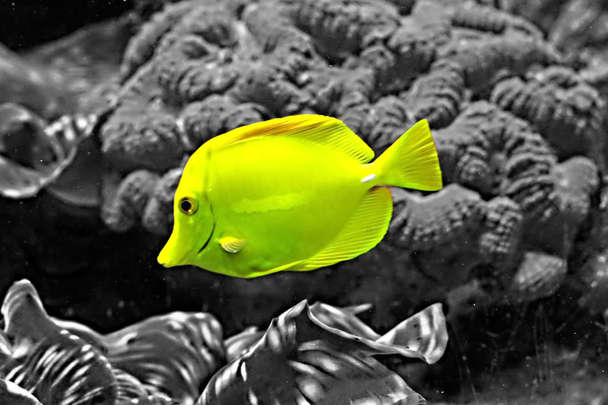
While you can talk about emphasizing one thing or another, the element of emphasis has more to do with an object, color or style dominating another for a heightened sense of contrast. Contrast is intriguing, and it creates a focal point.

How is it used?

If you want to test out how dominance and emphasis can change your project's visual impact, try a saturated Lightroom preset.

More Information

Links

Design Principles: Compositional, Symmetrical And Asymmetrical Balance

A balanced composition feels right. It feels stable and aesthetically pleasing. While some of its elements might be focal points and attract your eye, no one area of the composition draws your eye so much that you can’t see the other areas.

Balance

What is it?

There are two schools of balance: symmetry and asymmetry.

How is it used?

While most designers, artists, and creative folks much prefer asymmetry for its eye-catching nature, symmetry does have its place. Sometimes.

More Information

Links

Balance, Rhythm, and Harmony

Common traits orientation colors or values shape/size materials variety: the extent of the differences in design elements -- visual interest is enhanced by introducing dissimilar elements and spatial arrangements.

Harmony

What is it?

Harmony is “The main goal of graphic design,” according to Alex White, author of “The Elements of Graphic Design.” So, you know it must be important. Harmony is what you get when all the pieces work together.

How is it used?

Nothing should be superfluous. Great design is just enough and never too much. Make sure all the details accord with one another before you consider the project complete.

More Information
Courses
Registration Course Calendar Professors
Library
A-Z Most Popular Recently Changed
Topic References
Bootstrap Templates
Semantic UI Templates
Designed By

Amber Coulson

©2019